



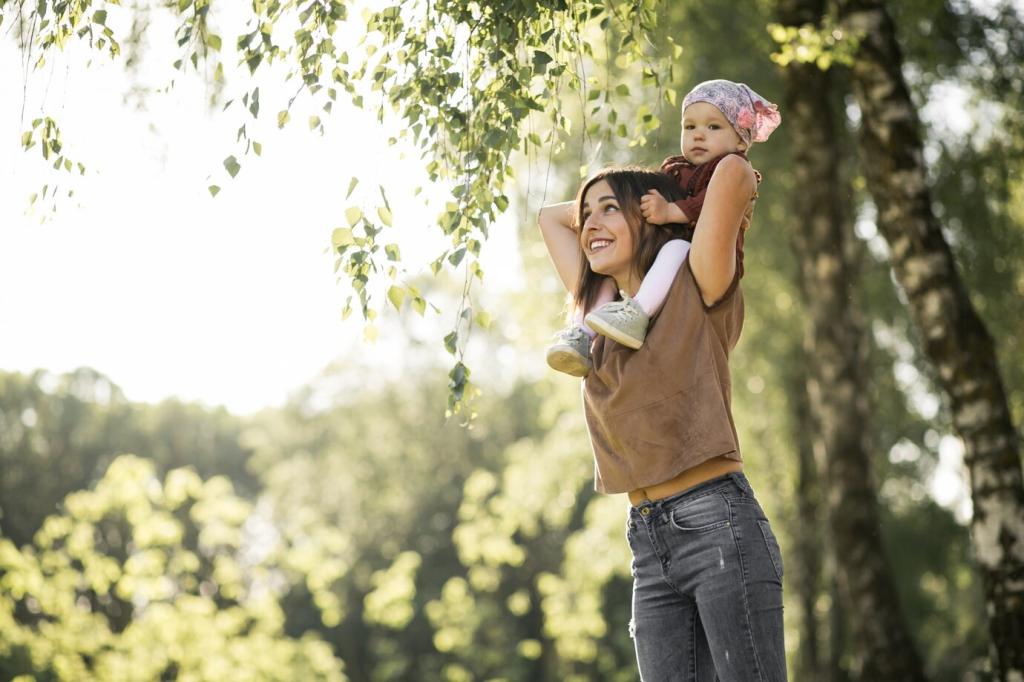
Building Healthy Habits with Kids: Tiny Routines, Lasting Confidence

Today’s chosen theme: Building Healthy Habits with Kids. Welcome to your friendly guide for turning small, joyful moments into lifelong skills. We’ll share stories, simple strategies, and playful prompts that help families thrive—one achievable habit at a time. Join the conversation, subscribe for weekly habit prompts, and tell us which routine your child is excited to try first!

Playful Nutrition: Making Good Choices Irresistible

Challenge your child to build a rainbow plate using two fruits and one veggie. Track colors on a fridge chart and celebrate variety, not quantity. Kids often taste more when they choose the colors themselves.

Playful Nutrition: Making Good Choices Irresistible

Offer crunchy apples with peanut butter, yogurt with frozen berries, or popcorn sprinkled with cinnamon. Keep options eye-level and ready to grab. When choices are visible, kids naturally reach for what’s easiest.


Move for Joy: Activity as a Family Habit

Create a quick rotation: living-room obstacle course, dance party, or animal walks down the hallway. On Tuesday, Mia turned couch cushions into mountains and asked for a rematch before dinner—proof that fun fuels persistence.

Digital Balance: Calm Screens, Curious Minds

Offer a limited number of daily tickets worth a set number of minutes. Kids decide when to redeem them within family rules. This teaches planning, self-control, and the value of saving for something special.

Two-Minute Gratitude

At dinner, each person shares one thing they enjoyed and one person they appreciated. Small acknowledgments build optimism. Over weeks, children start noticing kindness in real time and offering it more freely.

Feelings Check-In

Use a simple mood chart with faces and colors. Ask, “Where are you now?” Follow with one actionable step: breath, break, or hug. This routine normalizes emotions and teaches kids practical regulation skills.

Mindful Moments Jar

Fill a jar with slips like “smell five scents” or “count ten breaths.” Draw one during tough transitions. Short, predictable practices teach the brain a calm pathway it can find again tomorrow.

Independence Through Tiny Responsibilities

Tiny Jobs, Big Pride

Assign mini-tasks: feeding the pet, setting napkins, watering a plant. Explain, demonstrate, then step back. Kids light up when trusted, and daily repetition turns helpfulness into identity rather than obligation.

Choice Architecture

Offer two good options: “Blue cup or green?” “Read now or after bath?” Limited choices reduce power struggles and teach decision-making, while keeping boundaries clear and routines on pace.

The Sticker That Faded (And Why That’s Okay)

Rewards can kick-start momentum, but intrinsic pride sustains it. When Sam stopped asking for stickers, he kept wiping the table because the routine felt like belonging, not a transaction.

Sleep as a Superpower

Bedroom as a Cozy Nest

Simplify the room, lower lights, and keep favorite books within reach. A predictable backdrop reduces bedtime negotiations and gives the brain repeated cues that say, “Safe now, time to rest.”

Guard the Rhythm

Aim for similar bed and wake times, even on weekends. A twenty-minute swing is manageable, but big shifts create Monday morning jet lag. Protect the routine, and mornings become easier for everyone.

Soundscapes and Stories

Try gentle white noise or soft audiobooks at low volume. Many families find that familiar narration settles busy minds. Invite kids to pick the story, then press play at the same moment each night.
Novasphere-systems
Privacy Overview

This website uses cookies so that we can provide you with the best user experience possible. Cookie information is stored in your browser and performs functions such as recognising you when you return to our website and helping our team to understand which sections of the website you find most interesting and useful.